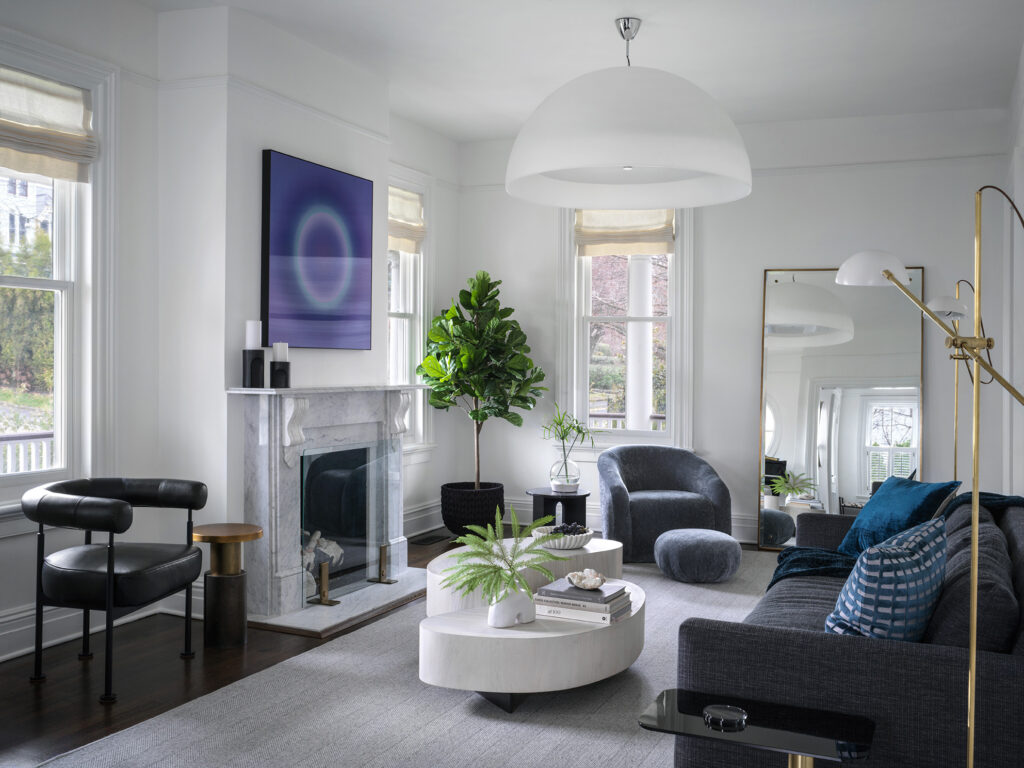
Stylist: Anna Molvik www.annamolvik.com
Photography: Ellen McDermott www.ellenmcdermott.com
Building a strong team to document your work is an essential step in creating a standout interior design book—and as a book packager for interior designers, I know that collaboration is the key to success. For designers seeking to elevate their brand, attract premium clients, and create a lasting marketing asset, surrounding yourself with the right people—photographers, stylists, and an experienced editor—can make all the difference.
The Photographer — Capturing Your Vision in Every Frame
Professional photographers are the cornerstone of visual storytelling. A skilled interior design photographer knows how to capture light, color, texture, and the unique flow of a space. They don’t just document rooms—they translate your design vision into images that inspire and resonate. Whether it’s a sunlit minimalist living room or a richly layered traditional study, high‑quality photography transforms your work into art, creating images worthy of publication and capable of engaging even the most discerning clients.
The Stylist — Setting the Stage for Storytelling
A stylist brings a designer’s portfolio to life, ensuring each shot feels perfectly composed and emotionally engaging. They work closely with you to arrange furniture, accessories, artwork, and lighting so that every element contributes to your narrative and brand identity. From adjusting the placement of a chair to selecting the right flowers for a dining table, the stylist’s attention to detail creates editorial‑quality images that feel intentional and refined—turning a space into an unforgettable scene. Photographer Ellen McDermott shares her thoughts below.
Excellent photography highlights good design through lighting and composition, yet it is the stylists we come to depend upon to give the space the mood and narrative which supports the designer’s intent.
Without the skill of a stylist many rooms feel distant and untouchable. Stylists take time to understand the designer’s concept and vision elevating the viewing experience through florals, food, props, and visuals such as art, soft throws, and pillows.
As a photographer, knowing a stylist is on set creating an inviting look and feel allows us to do the work of capturing the space more efficiently resulting in a very creative and productive shoot.”
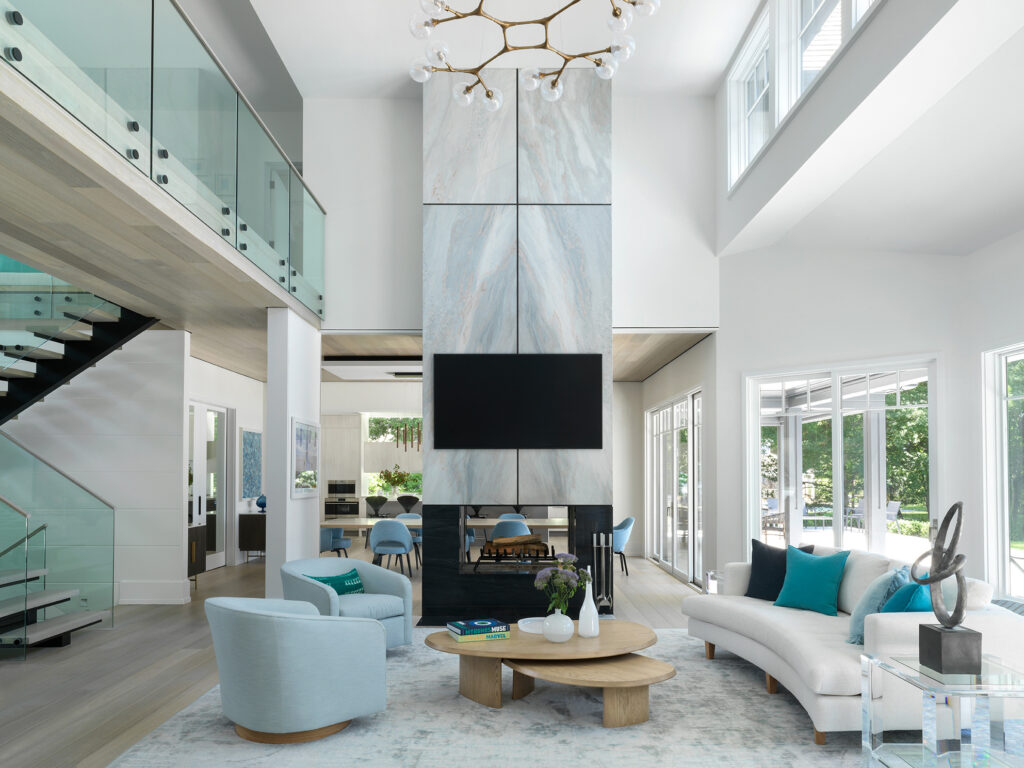
Architect: Peter Cook www.petercookarchitect.com
Stylist: Anthony Santelli
Photography: Ellen McDermott www.ellenmcdermott.com
The Editor — Shaping the Narrative
While the photographer and stylist focus on visual excellence, an editor oversees the process to ensure the images tell a cohesive story. The editor coordinates schedules, aligns the creative vision, and makes sure every photograph matches your brand’s aesthetic. They also make critical decisions about which images appear in the final book—balancing beauty with narrative flow. This editorial guidance ensures the finished interior design book feels polished, professional, and tailored to your business goals.
Why a Collaborative Team Produces the Best Interior Design Books
When you work with a photographer, a stylist, and an editor working together, the result is powerful. Your work is presented at the highest standard, the story of your brand is told with clarity, and the final product becomes more than a portfolio—it becomes a marketing tool that elevates your authority, builds credibility, and attracts premium clients.
Ready to capture your best work in a book that tells your unique story and grows your business? I can assemble the ideal creative team to ensure your vision is documented in an exceptional, lasting publication. Let’s talk.