Books have long served as lasting documents for creative vision. In today’s competitive fields of interior design, producing a book is far more than compiling a portfolio—it’s a strategic tool that elevates your practice into a recognized, premium brand.
Authority and Credibility
In an era when social media posts vanish into the algorithmic vapors, a published book offers permanence and prestige. It positions you as a trusted expert—a designer whose vision carries weight. On coffee tables and library shelves, it functions as the ultimate business card, continually marketing your work. This tangible proof of expertise often justifies premium pricing and attracts discerning, high‑value clients in the design and architectural world.
Clarifying Your Design Philosophy
The process of creating a book refines and codifies your creative DNA. Selecting your strongest projects, documenting your process, and articulating the principles behind your work help define what sets you apart. Whether you design minimalist interiors bathed in natural light, maximalist rooms rich with lush color, or traditional spaces rooted in historic precedent, your book becomes both a brand manifesto and a visual operations guide, ensuring consistency for clients, collaborators, and your team.
Expanding Business Opportunities
Published designers often find themselves invited to speak at industry conferences, contribute articles, or collaborate on product lines. Media coverage flows more readily to authors, delivering publicity worth thousands in ad spend. Like the salons of Paris, authorship places you in influential circles where reputation and opportunities grow in tandem.
Creating Scalable Assets
While client projects demand your direct time and presence, a book generates passive revenue through royalties and licensing while laying the groundwork for courses, workshops, and strategic partnerships. Much like planting a perennial garden, the benefits persist season after season—your work continues to inspire and influence even in your absence.
Blending Visual Impact with Insight
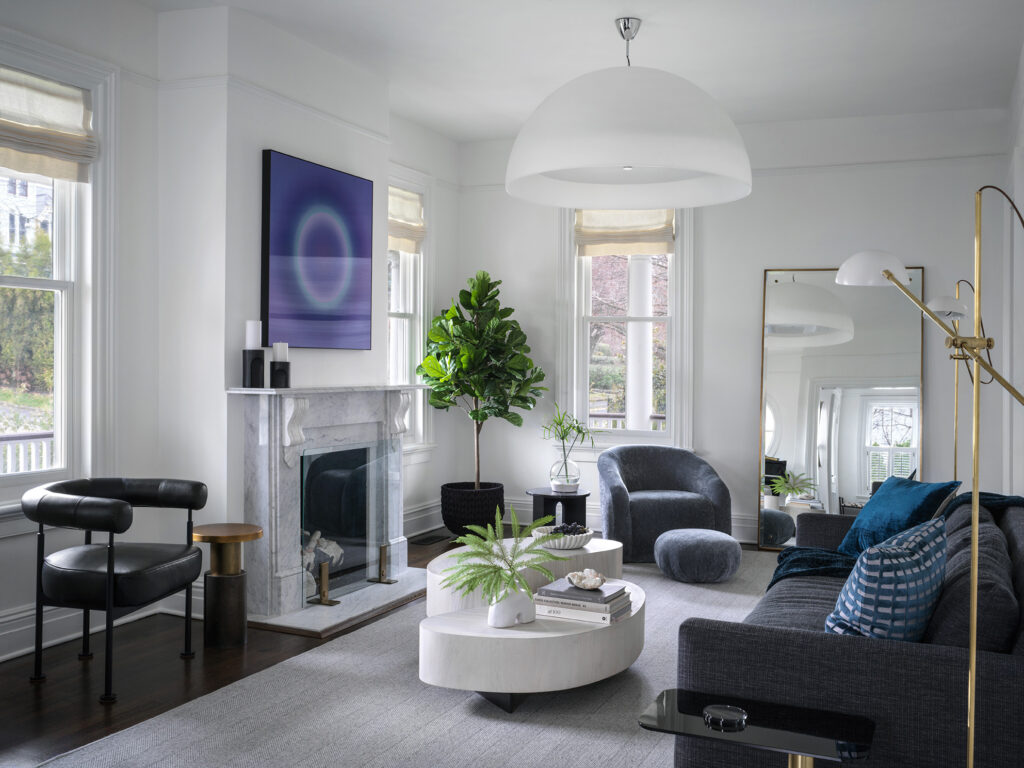
For maximum impact, combine stunning imagery with insightful commentary. Describe the way light cascades across a textured wall or how a hardwood floor pattern leads visitors on a pathway, offering readers both inspiration and a taste of your expertise. Share enough practical advice to establish authority while leaving intrigue that encourages future collaboration.
Choosing Your Publishing Path
Traditional publishing provides broader distribution and a stamp of established credibility, but self‑publishing should not be discounted–it offers control and higher profit margins. In either case, your book serves as a timeless ambassador—merging professional authority, cultural depth, and sensory allure.
Bottom Line
A thoughtfully produced design book is more than a record of your work. It’s the most elegant and enduring interior design marketing strategy you can create—one that builds lasting authority, attracts premium clients, and ensures your vision resonates well beyond the project’s completion.