• Skip to main content

Carl Dellatore

Publishing Projects for the Design Community

  • About
  • Services
  • Journal
  • Contact

Interior Design

Building the Perfect Visual Team for Your Interior Design Book

August 28, 2025 by Carl Dellatore

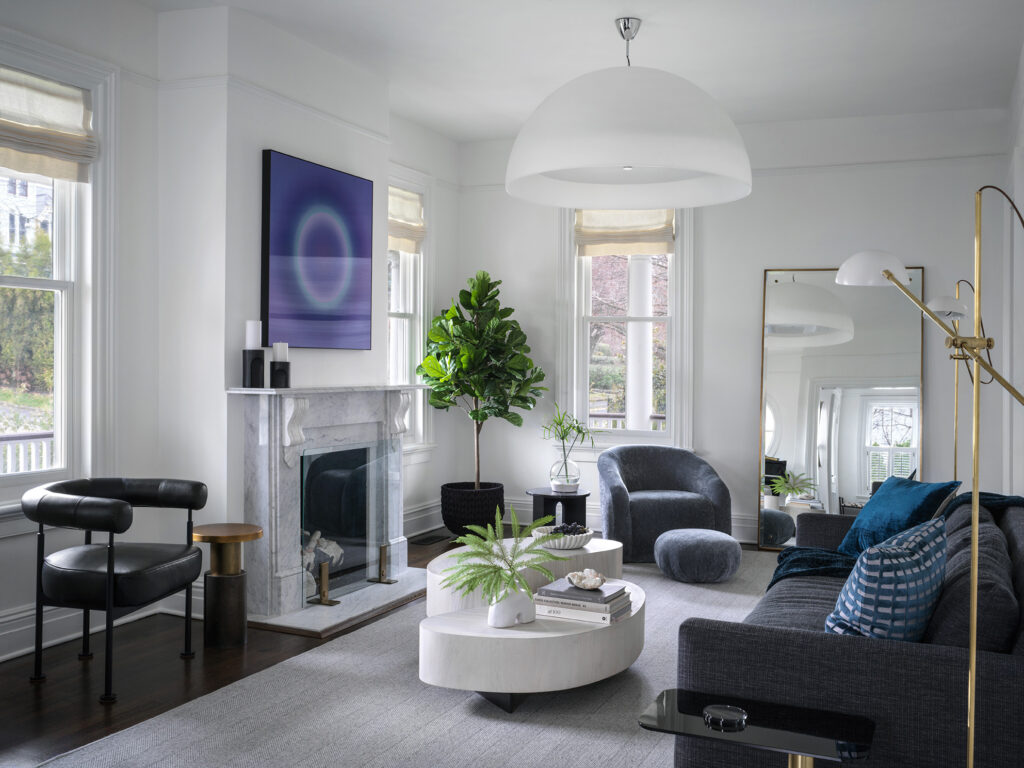
Designer: Tina Ramchandani www.tinaramchandani.com
Stylist: Anna Molvik www.annamolvik.com
Photography: Ellen McDermott www.ellenmcdermott.com

Building a strong team to document your work is an essential step in creating a standout interior design book—and as a book packager for interior designers, I know that collaboration is the key to success. For designers seeking to elevate their brand, attract premium clients, and create a lasting marketing asset, surrounding yourself with the right people—photographers, stylists, and an experienced editor—can make all the difference.

The Photographer — Capturing Your Vision in Every Frame

Professional photographers are the cornerstone of visual storytelling. A skilled interior design photographer knows how to capture light, color, texture, and the unique flow of a space. They don’t just document rooms—they translate your design vision into images that inspire and resonate. Whether it’s a sunlit minimalist living room or a richly layered traditional study, high‑quality photography transforms your work into art, creating images worthy of publication and capable of engaging even the most discerning clients.

The Stylist — Setting the Stage for Storytelling

A stylist brings a designer’s portfolio to life, ensuring each shot feels perfectly composed and emotionally engaging. They work closely with you to arrange furniture, accessories, artwork, and lighting so that every element contributes to your narrative and brand identity. From adjusting the placement of a chair to selecting the right flowers for a dining table, the stylist’s attention to detail creates editorial‑quality images that feel intentional and refined—turning a space into an unforgettable scene. Photographer Ellen McDermott shares her thoughts below.

Excellent photography highlights good design through lighting and composition, yet it is the stylists we come to depend upon to give the space the mood and narrative which supports the designer’s intent.

Without the skill of a stylist many rooms feel distant and untouchable. Stylists take time to understand the designer’s concept and vision elevating the viewing experience through florals, food, props, and visuals such as art, soft throws, and pillows.

As a photographer, knowing a stylist is on set creating an inviting look and feel allows us to do the work of capturing the space more efficiently resulting in a very creative and productive shoot.”
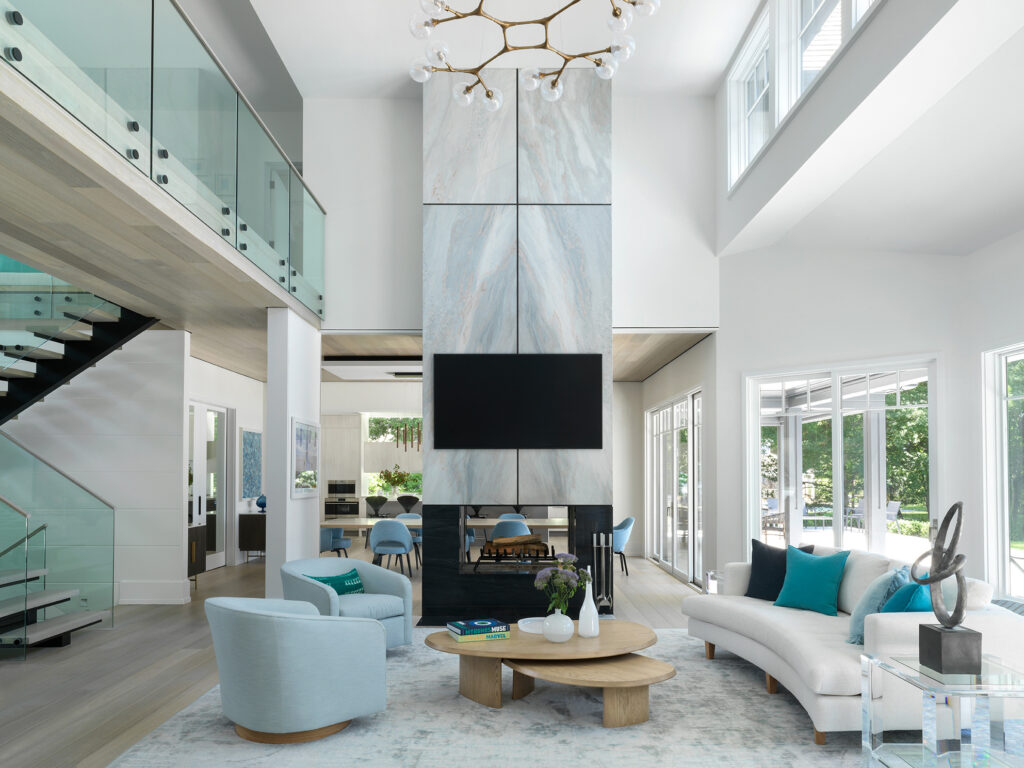
Designer: Dominick Rotondi Designs www.dominickrotondidesigns.com
Architect: Peter Cook www.petercookarchitect.com
Stylist: Anthony Santelli
Photography: Ellen McDermott www.ellenmcdermott.com

The Editor — Shaping the Narrative

While the photographer and stylist focus on visual excellence, an editor oversees the process to ensure the images tell a cohesive story. The editor coordinates schedules, aligns the creative vision, and makes sure every photograph matches your brand’s aesthetic. They also make critical decisions about which images appear in the final book—balancing beauty with narrative flow. This editorial guidance ensures the finished interior design book feels polished, professional, and tailored to your business goals.

Why a Collaborative Team Produces the Best Interior Design Books

When you work with a photographer, a stylist, and an editor working together, the result is powerful. Your work is presented at the highest standard, the story of your brand is told with clarity, and the final product becomes more than a portfolio—it becomes a marketing tool that elevates your authority, builds credibility, and attracts premium clients.

Ready to capture your best work in a book that tells your unique story and grows your business? I can assemble the ideal creative team to ensure your vision is documented in an exceptional, lasting publication. Let’s talk.

Filed Under: Book Publishing, Interior Design, Writings Tagged With: Book publishing, interior design, interior design books, Interior design marketing, Photography, Stylists

Build Your Audience: How A Platform Helps Designers Land Publishing Deals

August 26, 2025 by Carl Dellatore

In today’s publishing landscape, great ideas alone are often not enough to secure a book deal. Publishers are constantly evaluating two essential factors: the quality of the concept and the likelihood of financial success. While strong writing and a compelling premise are crucial, a well‑established platform—your website, social media presence, and professional visibility—is what reduces risk and creates real opportunity in the eyes of a publisher.

A platform, at its core, is your ability to reach and engage an audience. In the past, publishers relied on their own marketing infrastructure to introduce an author to readers. Now, with the explosion of digital media and niche communities, authors are expected to come to the table already connected to their audience. A carefully curated website establishes your identity, conveys your aesthetic, and communicates your vision. It becomes the central hub where publishers (as well as potential readers, collaborators, and media outlets) see not only your work, but also the depth of your engagement with a community.

Perhaps most importantly, a platform gives you control. By developing an audience before you approach a publisher, you create momentum. You can test ideas, refine your message, and gauge interest in topics that might become chapters or sections of your book.”

Social media plays an equally critical role. A following does more than tally numbers—it demonstrates influence. When someone chooses to follow you on Instagram, Pinterest, or LinkedIn, they are raising their hand as a potential reader and client. Publishers interpret that engagement as a forecast: the book you are proposing has a built‑in audience waiting for it. That lessens the financial risk and makes it easier for them to commit resources to design, printing, and marketing.

Perhaps most importantly, a platform gives you control. By developing an audience before you approach a publisher, you create momentum. You can test ideas, refine your message, and gauge interest in topics that might become chapters or sections of your book. This feedback loop strengthens your proposal, because you’re not simply offering an abstract idea—you’re presenting a concept that has already inspired conversation and proven value in the world.

Building a platform doesn’t have to be overwhelming. Start with a professional website that clearly showcases your work. Update it consistently with journal entries, project highlights, and insights into your process. On social media, resist the temptation to post sporadically; instead, craft a consistent voice that reflects your aesthetic and invites authentic conversation. Remember: the goal is not sheer numbers, but meaningful interaction that positions you as an authority in your field.

When you approach a publisher with both a polished proposal and a robust platform, you demonstrate that you are not only a creative visionary but also a strategic partner. That combination is powerful—and it can make the difference between a good idea and a published book.

Filed Under: Book Publishing, Interior Design, Writings Tagged With: Book publishing, interior design, interior design books

Turning a Design Vision Into Print

July 22, 2025 by Susi Oberhelman

By Susi Oberhelman / SVO Graphic Design

Creating a successful design book encompasses much more than simply arranging beautiful photographs on a page. As an art director and book designer who has spent years working with authors to bring their visions to life in print, I have developed a deep understanding of what it takes to translate their aesthetic into a cohesive visual package.

My first step with any designer is always research. I immerse myself not only in their portfolio but also in their thought process, design philosophy, professional history, and any other factors that drive their creative decisions. This is beyond professional courtesy! It’s an essential step in producing a book that genuinely represents who the designer is. Every font choice, every layout decision, every color palette I select should feel like a natural extension of my client’s work. 

The typography itself can tell a unique story. If the designer’s aesthetic leans traditional and elegant, a classic serif font can echo the sophistication of those kinds of interiors. For a designer with a more modern, edgy approach, a clean sans-serif font will better capture that contemporary spirit. But there’s also artistic value in creative rule-breaking. Pairing fonts to create hierarchy and visual interest–a thoughtful combination of serif and sans-serif, for example–can provide a rich and beautiful balance, much like a designer might pair a contemporary sofa with an antique coffee table.

The book’s cover presents the most significant challenge, and opportunity, for me: a delicate balance between an image that tells the entire story at a glance and typography that enhances and informs without competing with that image. The most successful covers I’ve designed are those where the image and type seem as if they were always meant to be together, neither overpowering the other. 

The collaborative process—poring over the photography with the author, discussing their design aesthetic and vision for the book—is really where the magic happens. They get to share the story behind each particular room—perhaps it was a challenging space with an even more challenging homeowner, or a project where every detail held special meaning. These conversations inform how I treat that space in the book: Does it deserve a full spread? Does it warrant detailed shots that highlight specific design solutions?

The reality is that creating an interior designer’s book involves balancing multiple voices—the author’s, the editor’s, the publisher’s, and the marketing team’s perspective. Each brings valid concerns about everything from commercial appeal to production costs. My role is to navigate these sometimes competing interests while protecting the integrity of the design vision.

In the end, a well-executed book project should serve not just as a portfolio, but as a refined extension of the designer’s brand and creative legacy.

Filed Under: Book Publishing, Interior Design, Writings Tagged With: book packaging, interior design, interior design books, Rizzoli New York

  • « Go to Previous Page
  • Page 1
  • Page 2

Copyright © 2026 · Carl Dellatore & Associates · Log in